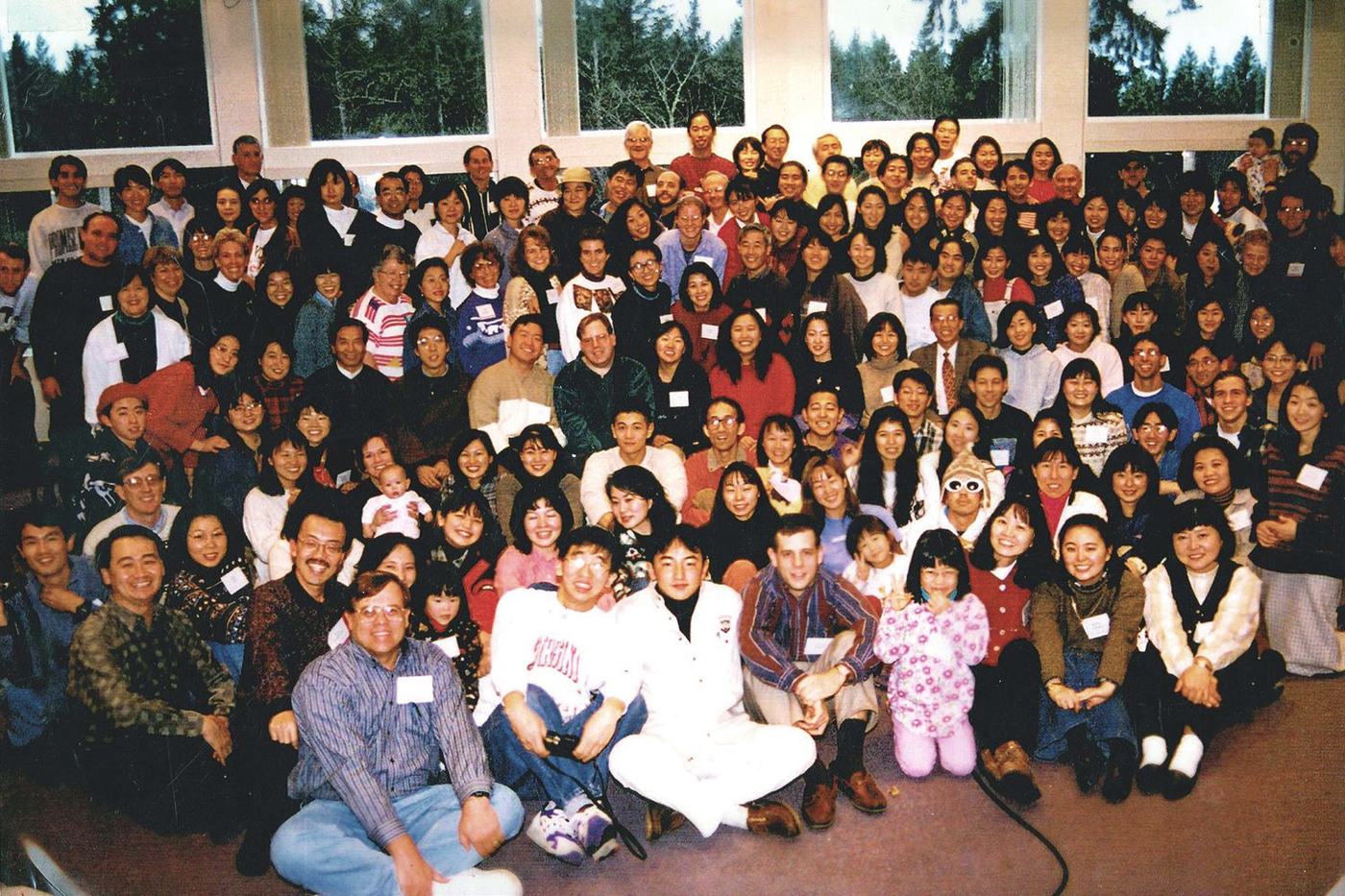
Ministry
Going abroad, people expect to feel foreign. Coming back, nobody warns them they will feel foreign at home too, and that is where faith quietly gets lost.
1,600
Japanese people return home each year as new Christians, or as seekers who have just started looking.
80%
Drift away from church within a few years of returning, when nobody follows up with them.
What actually happens
In JCFN's own words, from the ministry description on jcfn.org.
So many Japanese live abroad today: as students, on business, or through international marriage. One consequence: God's work of reaching Japanese people isn't limited to Japan, but happens throughout the world. Many come in contact with the Gospel while living overseas, put their faith in Christ, and return to Japan.
The challenges pile up: reverse culture shock, the busyness of life in Japan, family relationships. Add a church scene where the average congregation is small and ageing, and a returnee who was surrounded by Christian friends abroad can find themselves the only believer they know.
JCFN's answer is a set of relationships, held open on both ends of the move, for as long as it takes.
How it fits together
Everything JCFN runs points back to the same place: one returnee, in one town, deciding whether to walk into a church on Sunday.
Connecting returnees to churches, fellowships, and small groups in their home region, and connecting people heading abroad to communities before they land.
Equipper Conference in North America, Global Returnees Conference in Japan, Central Conference in Chicago, and CoCo for Europe. See the full rundown
ANRK in Kansai, GiFT in Tokyo, INSPA in Tokai, Konnect in Kanagawa, R35+ online for the over-35s, Re.Okinawa. Board games, picnics, potlucks, and Bible study. Whatever gets people in a room.
The Equipper newsletter and monthly Directors Letters. Search 35 years of them
Introducing sending churches abroad to receiving churches in Japan, so a returnee is handed to someone rather than handed a list.
Full-time, associate, and volunteer roles across both offices. Most of the regional work is carried by associate staff and local leaders.
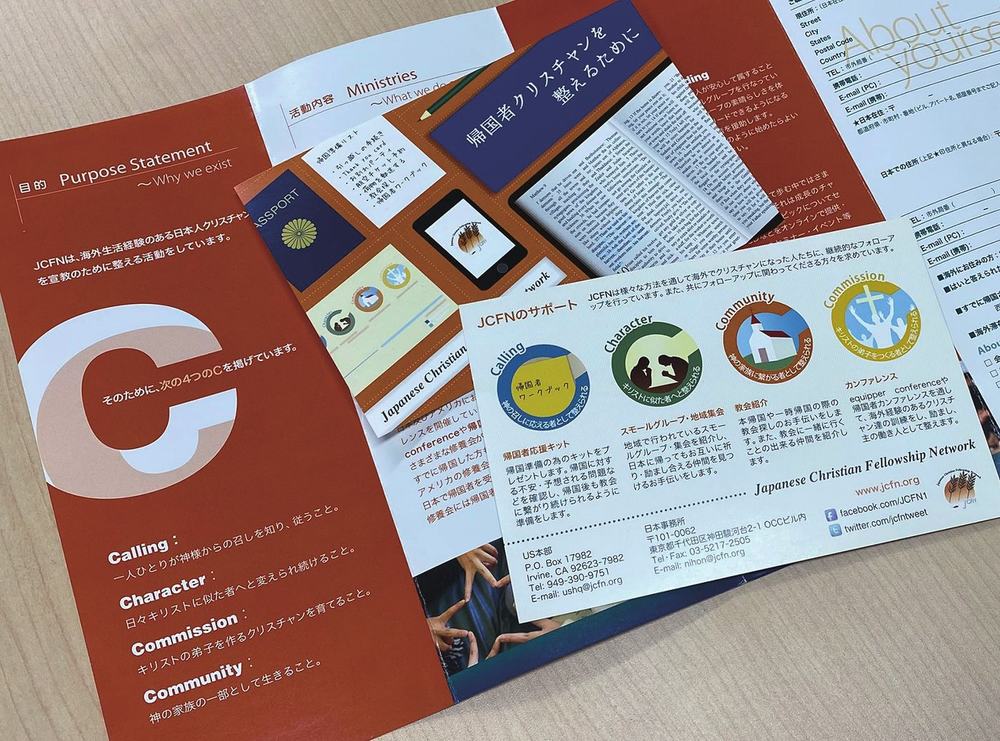
Materials
JCFN publishes its own Returnee Workbooks in Japanese, plus a re-entry devotional. These are the things a regional leader actually hands someone in the weeks after they land. Leadership camps, WIT in North America and BBWIT in Japan, train the volunteers who run the local groups.